Why Public Transport Should Guide Your Housing Choice in Auckland

For an international student, choosing where to live in Auckland is not just a decision about price or comfort. It is, above all, a decision about mobility. Auckland is a large, spread-out city with neighbourhoods that differ greatly from one another and an urban layout that directly affects how long it takes you to study, work, and manage your daily routine. Understanding how the city’s public transport works is essential for making a smart and sustainable choice.
Auckland does not have a traditional subway, but it does offer an efficient rail network, one of the largest bus systems in Oceania, and a ferry network that quickly links different coastal regions. For anyone arriving in the city, understanding each transport mode helps you plan a practical, economical life without long hours in traffic.
How Auckland’s Train Lines Work
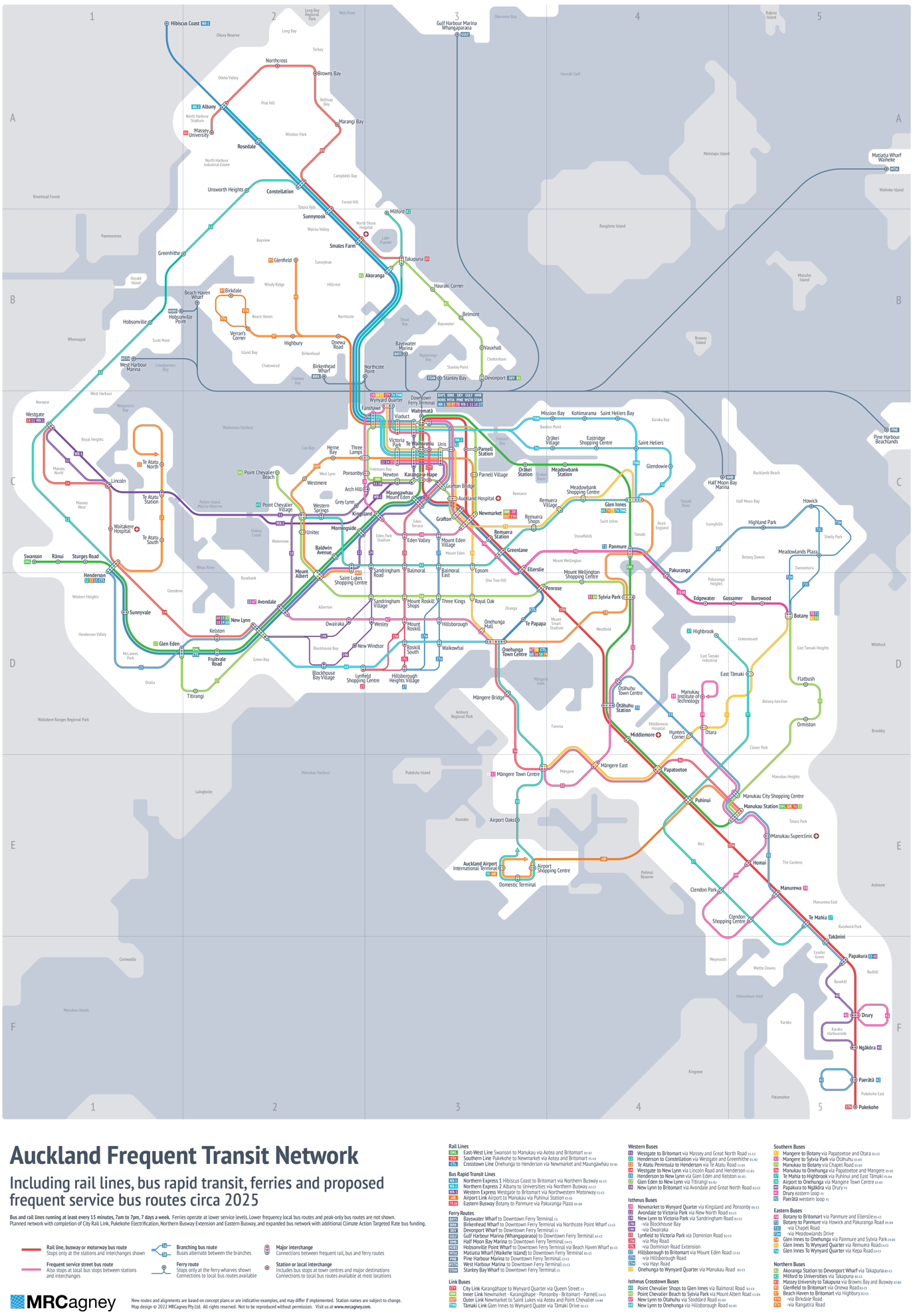
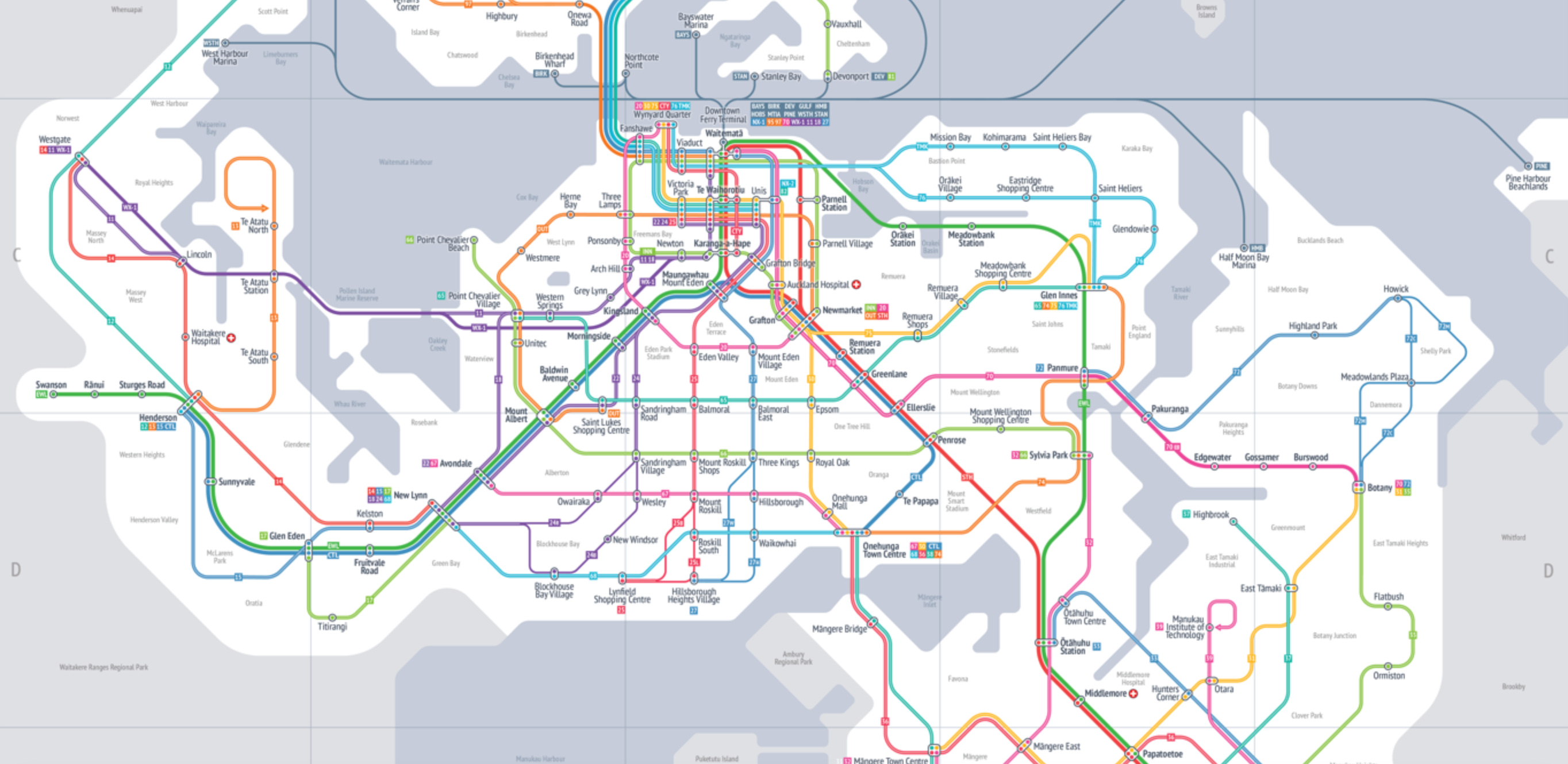
Auckland’s rail network is made up of four main lines, all connecting major suburbs to the city centre via Waitematā Station (Britomart):
Eastern Line connects the city to suburbs such as Glen Innes, Panmure, and Manukau. Great for students at the City Campus or Grafton Campus.
Southern Line connects the city to suburbs like Newmarket, Ellerslie, Papatoetoe, and Papakura. Ideal for those seeking more affordable residential areas.
Western Line runs from the centre to West Auckland through Kingsland, Mount Albert, Avondale, Henderson, and Swanson. Popular with students who want quieter areas and good availability of shared rooms.
Onehunga Line is a short line linking Onehunga to the city. A good option for anyone wanting a residential neighbourhood close to cafés, parks, and shops.
Train corridors run alongside key avenues such as Queen Street, Symonds Street, Khyber Pass, Sandringham Road, and Great North Road, making bus and university connections quick and convenient.
How the Ferry System Works
Auckland’s ferry system is one of the city’s most charming features and, for many students, a practical mobility choice.
Departing from the Ferry Terminal in the city centre, you can reach:
Devonport – a cultural neighbourhood with cafés, beaches, and a family-friendly feel.
Waiheke Island – known for vineyards and beautiful beaches.
Half Moon Bay, Birkenhead, Beach Haven, Gulf Harbour – excellent options for quieter living and higher quality of life.
Ferries are punctual, safe, and offer stunning views of the Auckland harbour. For some students, living in Devonport and commuting by ferry is the perfect balance of cost, lifestyle, and travel time.
How the Bus System (AT Metro) Works
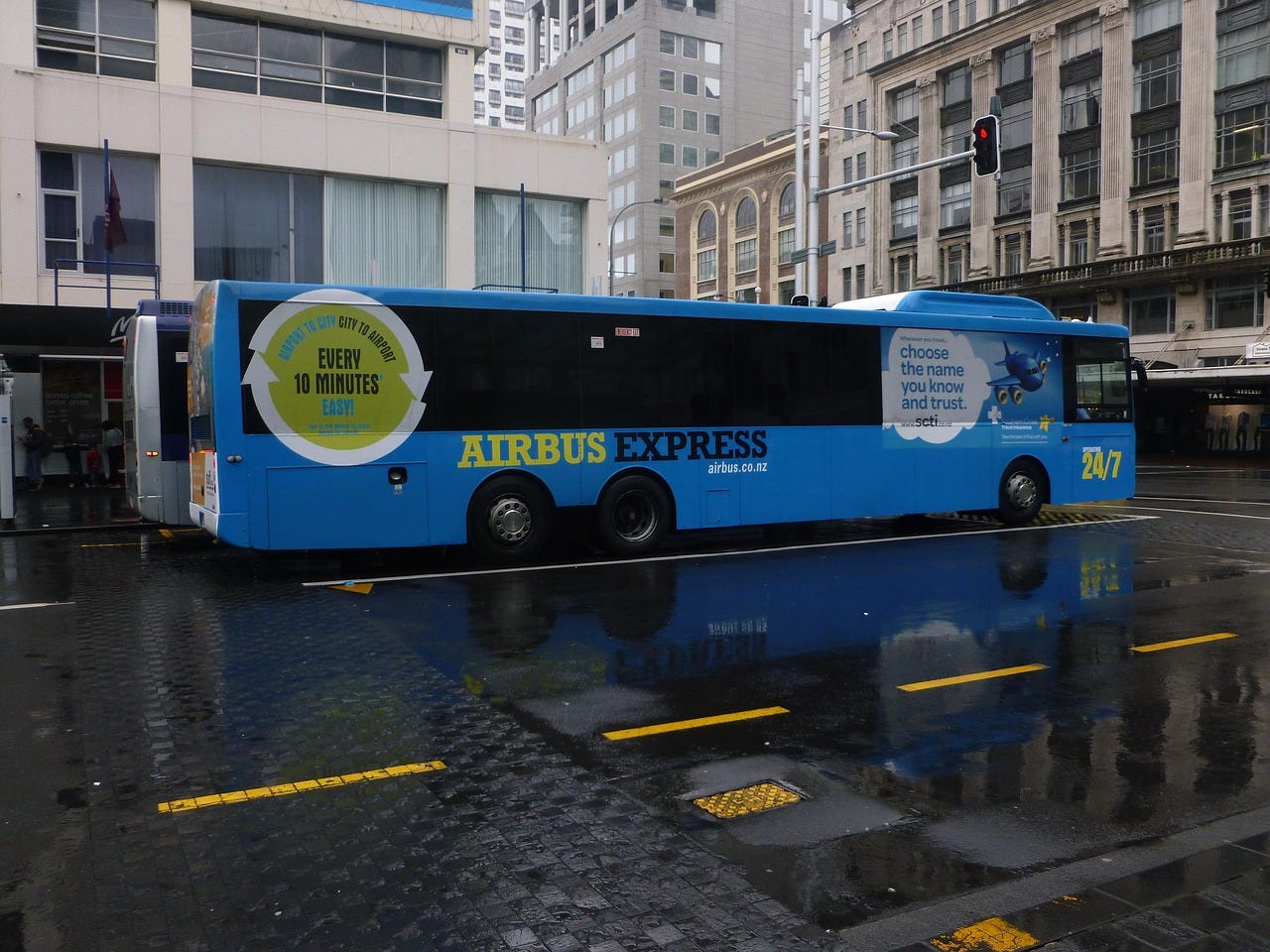
The bus network is Auckland’s most extensive form of public transport. Nearly every neighbourhood has direct connections to the city centre, universities, and major mobility hubs such as:
Britomart (City Centre)
Newmarket Station
Grafton Station
Albany Bus Station (North Shore)
Henderson Interchange (West Auckland)
Buses operate with the AT HOP card, which integrates buses, trains, and ferries. You pay only a small additional fare when transferring within the allowed time window.
For University of Auckland students, highly convenient areas served by key bus routes include:
CBD (Central City) – immediate access to everything.
Grafton – ideal for health sciences students.
Newmarket – close to City Campus with strong train and bus connections.
Kingsland, Mount Eden, Sandringham, Epsom – lively suburbs with cafés, markets, and excellent bus routes.
How to Choose Where to Live as an International Student
When you rely on public transport, the rule is simple: don’t choose the house — choose the location.
Living near a train station or a major bus corridor significantly reduces both travel time and cost. Ideally, you should look for accommodation that is:
Within 10 minutes walking of a train station, or
Within 5 minutes walking of a main bus corridor (Symonds St, Dominion Rd, Sandringham Rd, Great North Rd).
If you study at the City Campus, suburbs like Grafton, Newmarket, Kingsland, Mount Eden, Parnell, and even Ponsonby offer easy access — even if rent is slightly higher.
If you want to save money, suburbs like Avondale, Mount Albert, Onehunga, Ellerslie, Glen Innes, and Henderson offer excellent train access and more affordable prices.
How Much Does It Cost to Live Near Public Transport in Auckland?
Using recent data from Numbeo.com, the average monthly cost for a single person is:
Room in a shared house: NZ$ 280–350 per week in well-connected suburbs near trains or main bus corridors.
Studio or 1-bedroom apartment: NZ$ 450–650 per week in central or highly connected areas.
A single person should also consider:
Food: NZ$ 400–600 per month
Public transport (AT HOP monthly): NZ$ 215 per month
Internet + electricity: NZ$ 120–180 per month
On average, living in Auckland with good transport access costs:
Shared housing: NZ$ 1,900–2,300 per month
Living alone: NZ$ 2,700–3,300 per month
Conclusion
For an international student, public transport is more than a convenience. It is the backbone that shapes your routine, budget, and quality of life. Choosing where to live based on access to trains, buses, or ferries not only saves time but can significantly reduce monthly expenses. Auckland is a city designed for those who move around a lot, and understanding its network allows you to live better, spend less, and enjoy more of what the city offers.
If you’re planning your move, start with the transport map. It will be your biggest ally long before you even arrive.